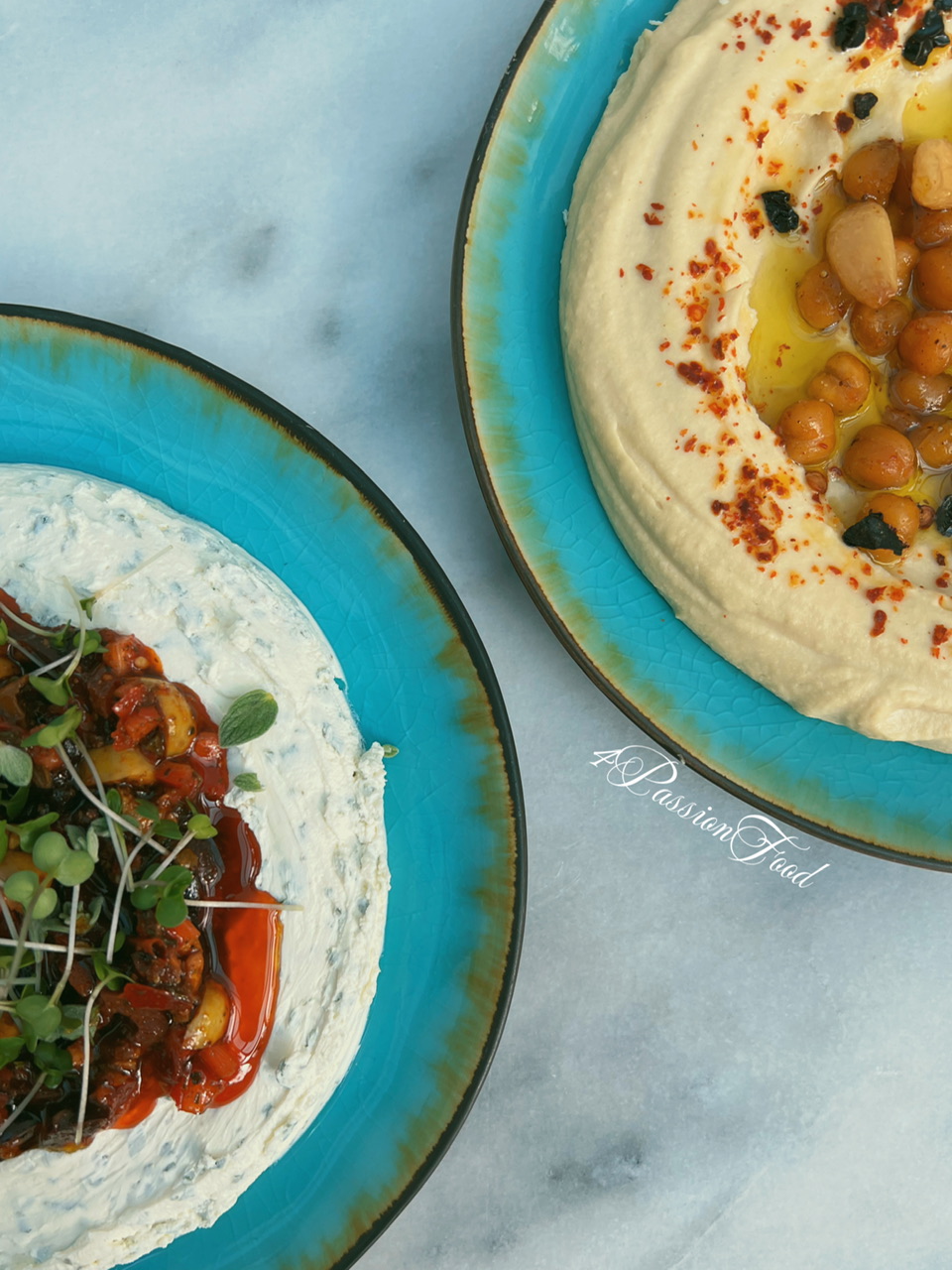
Last Sunday, we had friends over for lunch, and they love Levantine cuisine. So, I made labneh and, of course, creamy hummus. I discovered labneh while living in Dubai; there isn’t a Lebanese restaurant that doesn’t serve it. It’s often served with za’atar and olive oil, along with warm pita bread.
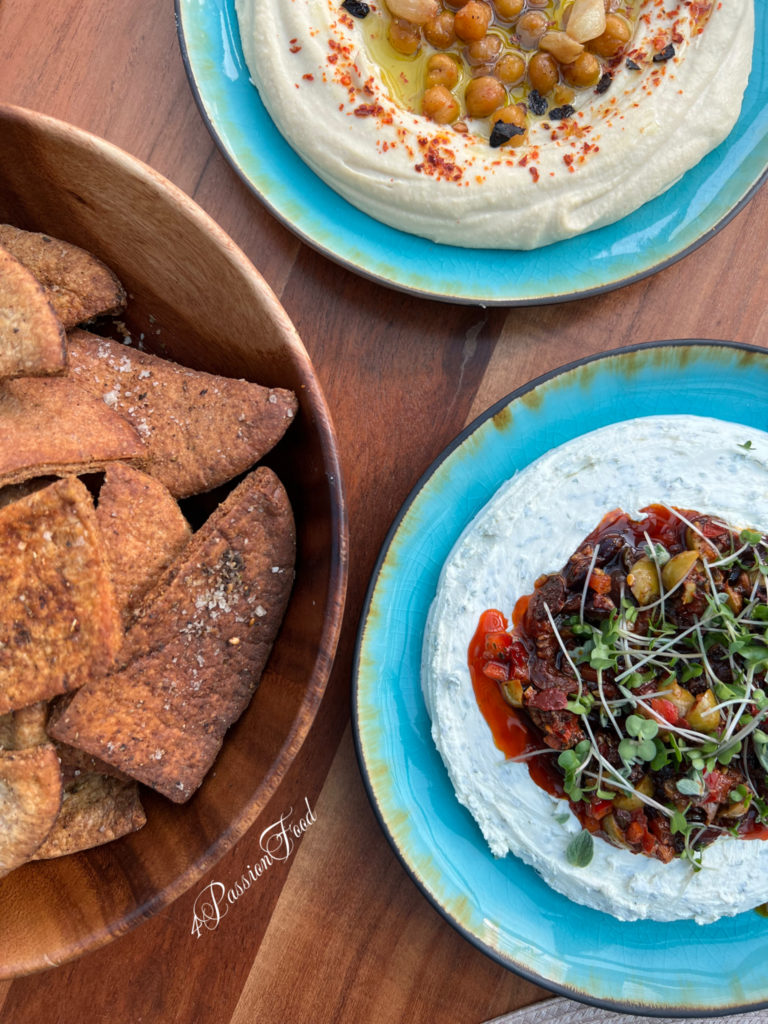
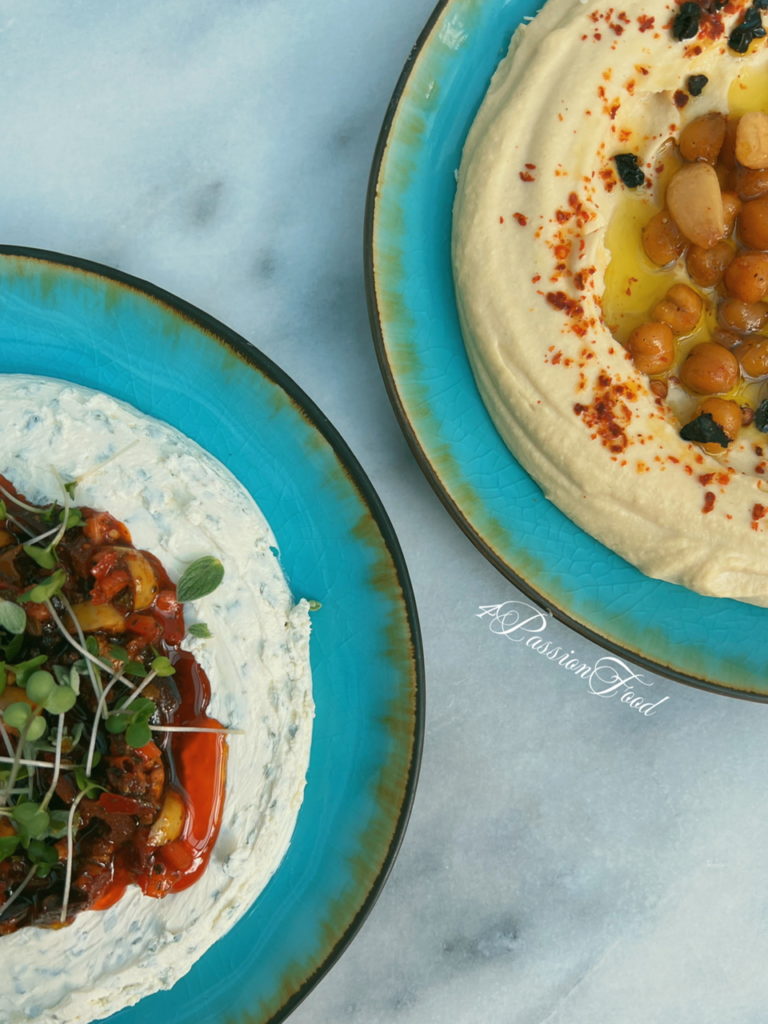
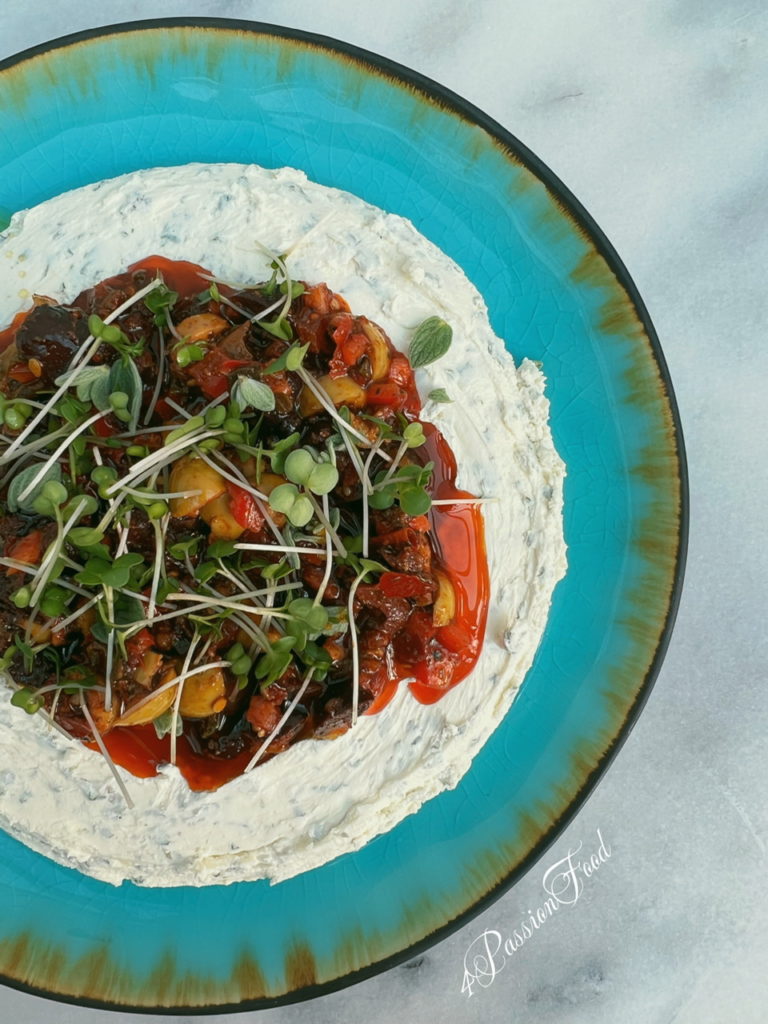
Here in London, I tasted a labneh that was simply sublime. That’s what I want to share with you today: labneh with za’atar and marinated olives. I tried to recreate the recipe just like I tasted it at Imad’s Syrian Kitchen.
How to Make Labneh ?
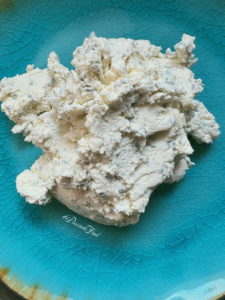
It’s called labneh, labné, or lébni. This fresh cheese is typical of Middle Eastern cuisine and can be found in Lebanon, Syria, Palestine, Greece, and Turkey. You can find it in various textures, from creamy to firmer forms shaped into balls coated with dried herbs like za’atar or spices like sumac or Aleppo chili, and sometimes sprinkled with nigella seeds and preserved in olive oil.
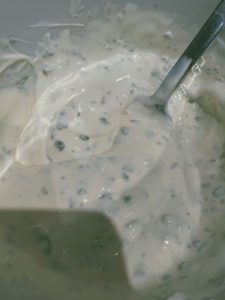
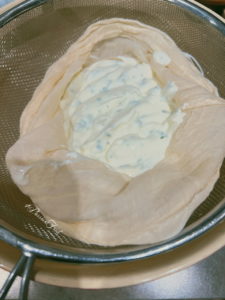
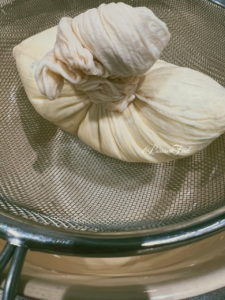
Making labneh at home is incredibly easy. Just mix 1 kg of good quality yogurt with 1 teaspoon of salt. Generally, people use sheep or goat yogurt, but you can mix the two. Here, I used organic Greek yogurt. You’ll also need cheesecloth to drain the yogurt until you reach your desired texture. The more you drain your yogurt, the firmer your labneh will be.
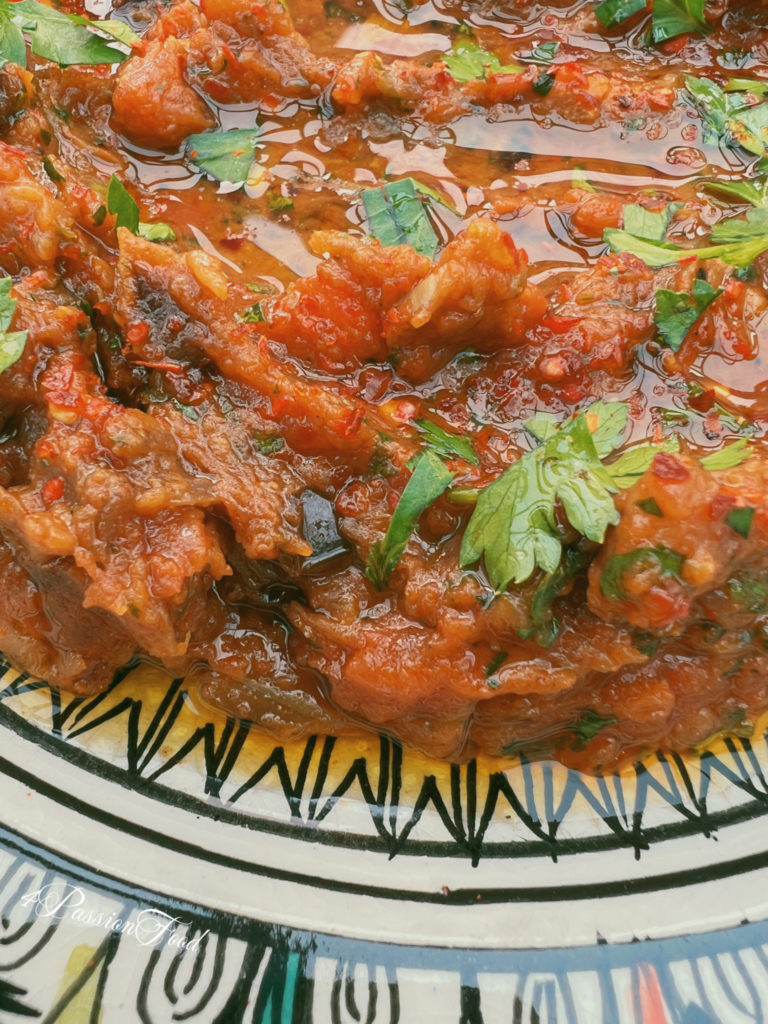
Today, I’m serving labneh with olives marinated in harissa and three types of za’atar. Yes, you read that right—three kinds of za’atar! So, what is za’atar? In Arabic, za’atar means thyme, but in Morocco, it’s more about oregano. In this recipe, I use both, along with the traditional za’atar from the Middle East, generally, it contains wild oregano, sumac, sesame seeds, and salt, all mixed with olive oil.
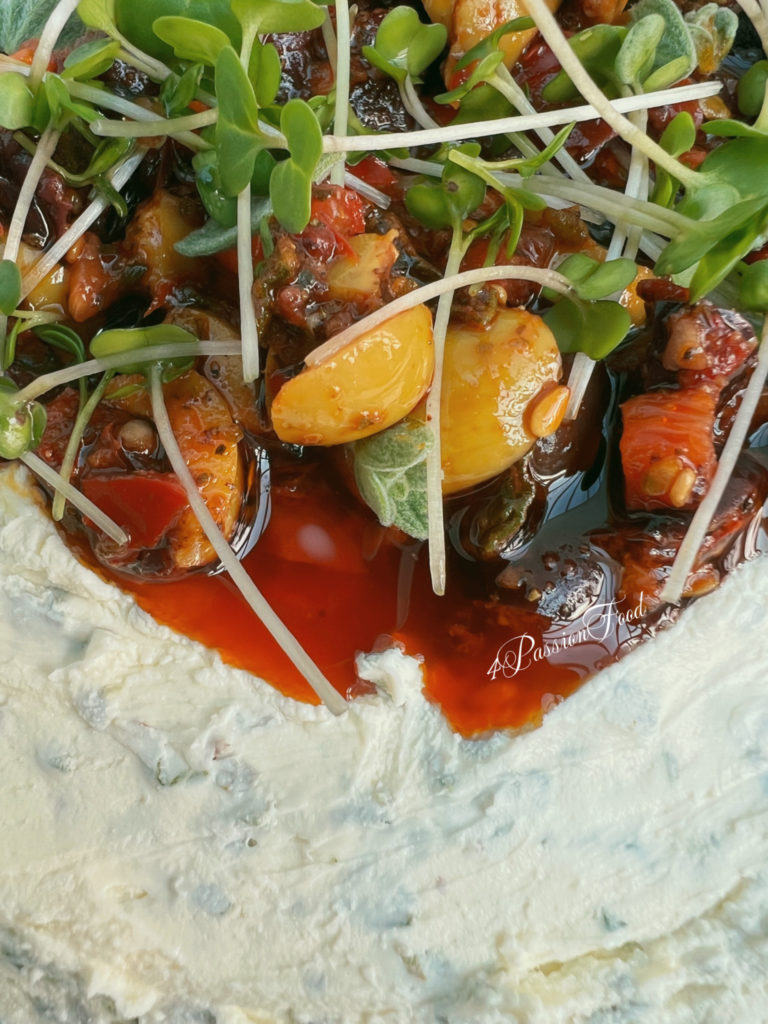
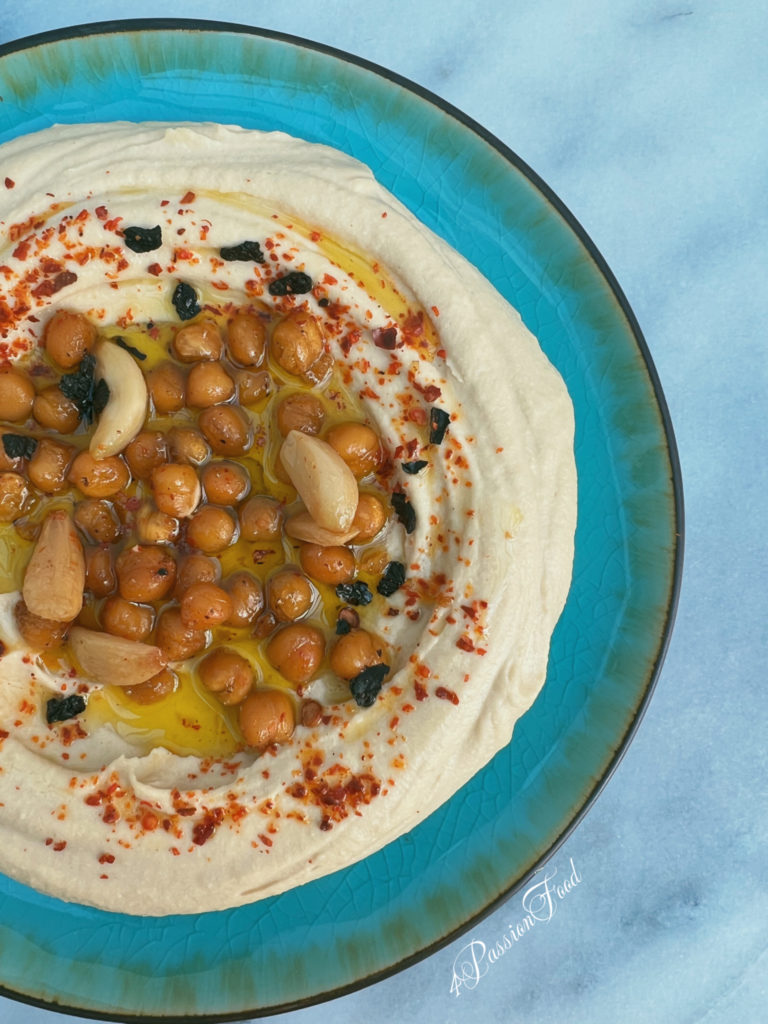
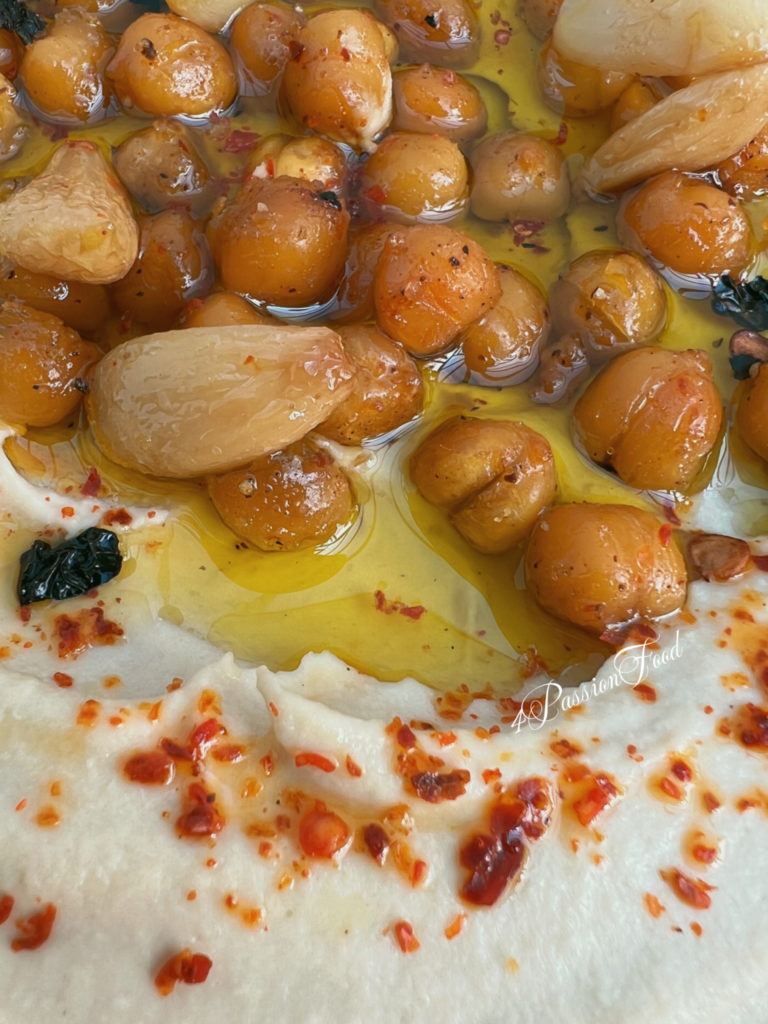
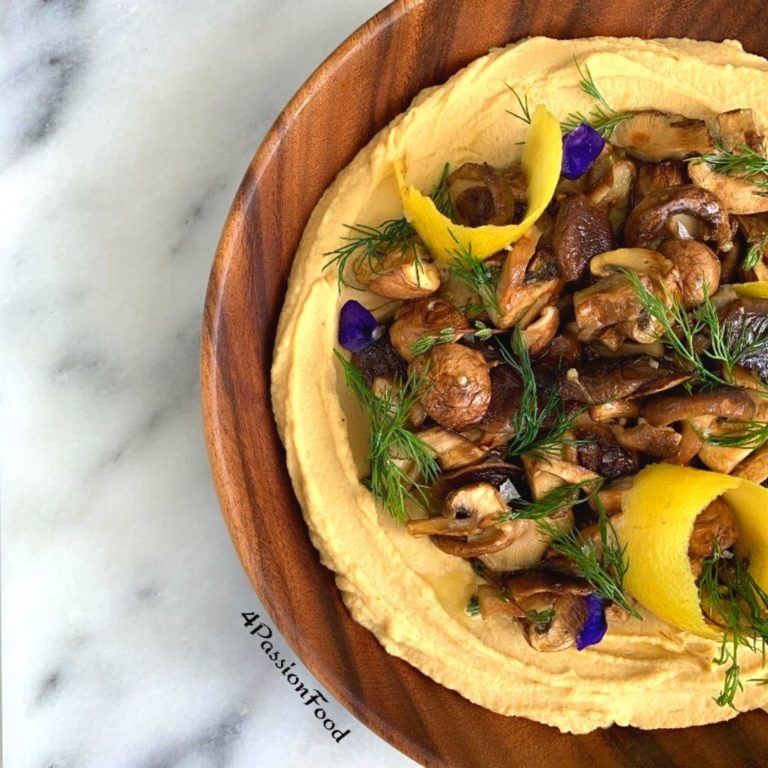
I also made some creamy hummus with confit garlic topped with roasted chickpeas, Aleppo chili, and ancho chili, plus, of course, olive oil. The hummus recipe is from Ottolenghi, and you can find it HERE.